
Research

Physical Therapy

Daniel’s Work
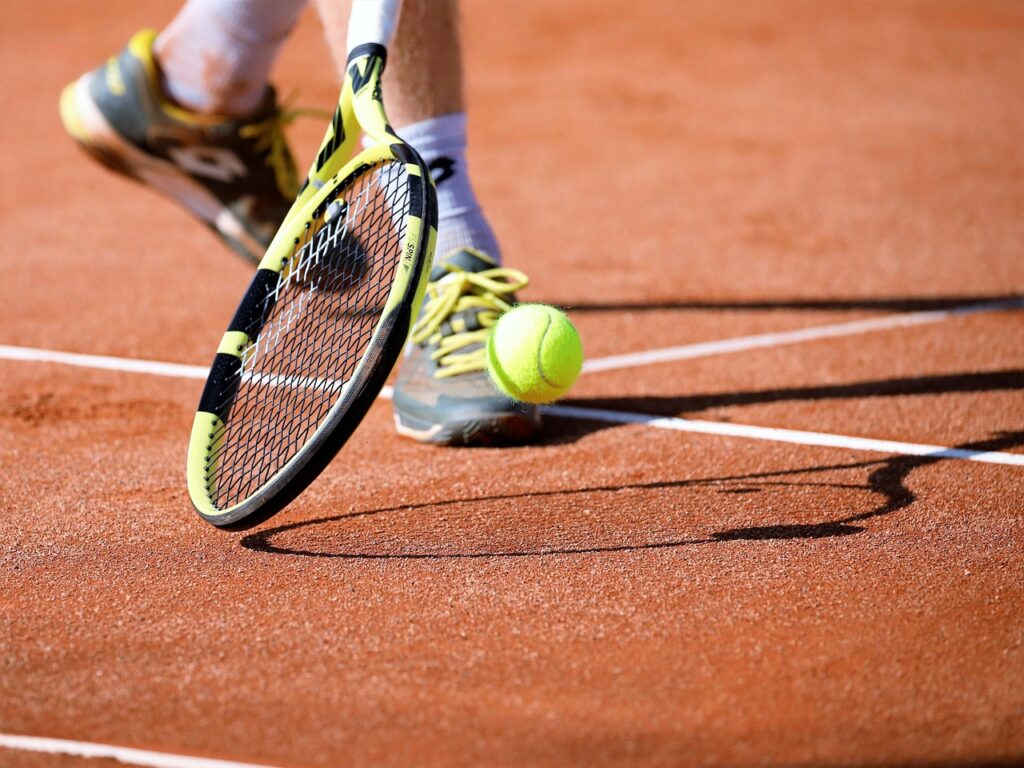
Tennis Specific

Strength & Conditioning
Influential Physical Therapy Research
4-Element Movement System
Dr. Phil McClure and his team at Arcadia University developed a framework for a common interdisciplinary language regarding the use of movement to inform clinical decisions.
Influence of Pain on Motor Control
Dr. Shailesh Kantak is a renowned neurologic researcher and director of the Pathokinesiology Lab at Rancho Los Amigos Rehabilitation Center. He and colleagues have detailed how pain influences neurologic processes.
Referral Decision Making
Drs. Seth Peterson and John Heick are brilliant clinician-scientists in Arizona. This duo highlights the need to constantly evaluate evolving information when deciding the best provider(s) for an individual based on a specific scenario.
What is an Expert Clinician?
Drs. Resnik and Jenson published this article in 2003 discussing what an “expert” physical therapist means. Spoiler, it’s not years of experience or credentials. Factors like clinical reasoning, pattern recognition, and communication were a few defining factors.
Daniel’s Research
Measuring Force in Patients with RC Tendinopathy: Is Peak Force Enough?
2024 APTA CSM Platform
Presentation
Early Increase in Rate of Force Development Predicts Positive Response to Exercise for RC Tendinopathy.
2025 APTA CSM Platform
Presentation
&
2025 ASB Poster Presentation
Relationship between changes in neuromuscular factors and disability outcomes during a resistance exercise intervention in rotator cuff tendinopathy.
Manuscript in review
Muscle activation changes after intervention in patients with subacromial pain syndrome: A systematic review.
Manuscript in review
Recent Tennis Research
Including Core Training with Rotator Cuff Rehabilitation
A group at a historic Turkish University, Ankara University, found that including core conditioning with traditional rehab approaches enhanced a number of performance metrics.
Improve Velocity and Efficiency with Forehands using a Square Stance
This combination of researchers at performance institutes in Rome, Italy, discovered the value of a square stance forehand.
Generalized Training Programs are not Adequate for Junior Tennis Athletes
An international group of researchers from Portugal and Turkey looked at a 6-week generalized training program in junior tennis players. This article highlights the need for training programs based on individual athletes.
Risk Factors for Adolescent Shoulder Injury
This study identified modifiable risk factors for shoulder injuries in players between 12-18 years of age. These factors include: training volume, shoulder rotation strength ratio, scapular control, and anxiety.
Strength & Conditioning Research
Thinking Outside the Box with Strength Training
Heavy resistance training is excellent for strength, but not always a viable option. This article discusses different strategies, such as no-load and minimal-load exercise, when a heavy load is not feasible.
Mechanisms of Hypertrophy
This article from Brad Schoenfeld, an expert in strength and conditioning, dives deep into hypertrophy. He discusses how mechanical tension, muscle damage, and metabolic stress lead to cellular, hormonal, and tissue changes.
High vs Low Load Training
This systematic review does a nice job comparing high vs low load resistance training. There is a wide range of intensity/volume that can be effective, but it depends on what the goals of the individual are.
Forward and Lateral Lunge Biomechanics
This study, led by researchers at USC, compares the forward and lateral lunge mechanics of older adults. Each lunge has preferential loading of different structures, so depending on your targeted area and goal, one is likely superior to the other.